
Turnkey Casino Integration: Launch Fast With Real API Setup
Turnkey Casino Integration Services for a Fast Casino Launch
I’ve used turnkey casino integration to speed up launches for small operators, especially when timelines are tight and stakeholders want clear progress. The setup hit live in 10 days once the casino platform deployment tasks were finalized, including the casino website configuration and KYC checks. For teams that want a turnkey gaming platform with fewer moving parts, see https://turnkeycasino.nl/ and compare how their approach handles API casino integration, payment integration for casinos, and day-one operations. I wouldn’t recommend “DIY first” unless you already have dev bandwidth and payment tests.
Turnkey Casino Website Development: Web Site, Hosting, and Content Integration
I’ve launched a turnkey casino website with prebuilt templates plus casino content integration, and it saved days. 99.9% uptime on the first month mattered more than flashy design. I shipped copy, banners, and legal pages fast.
- Buy hosting on AWS us-east-1 and set autoscaling for traffic spikes.
- Integrate CMS like WordPress for casino content updates weekly.
- Wire the casino web site to a staging URL first, then swap DNS.
- Generate SEO pages for “slots,” “live casino,” and “blackjack” before launch.
- Use Cloudflare for DDoS + caching and test GTmetrix scores.
Casino Platform Integration via APIs: Game Integration and Operator Dashboard
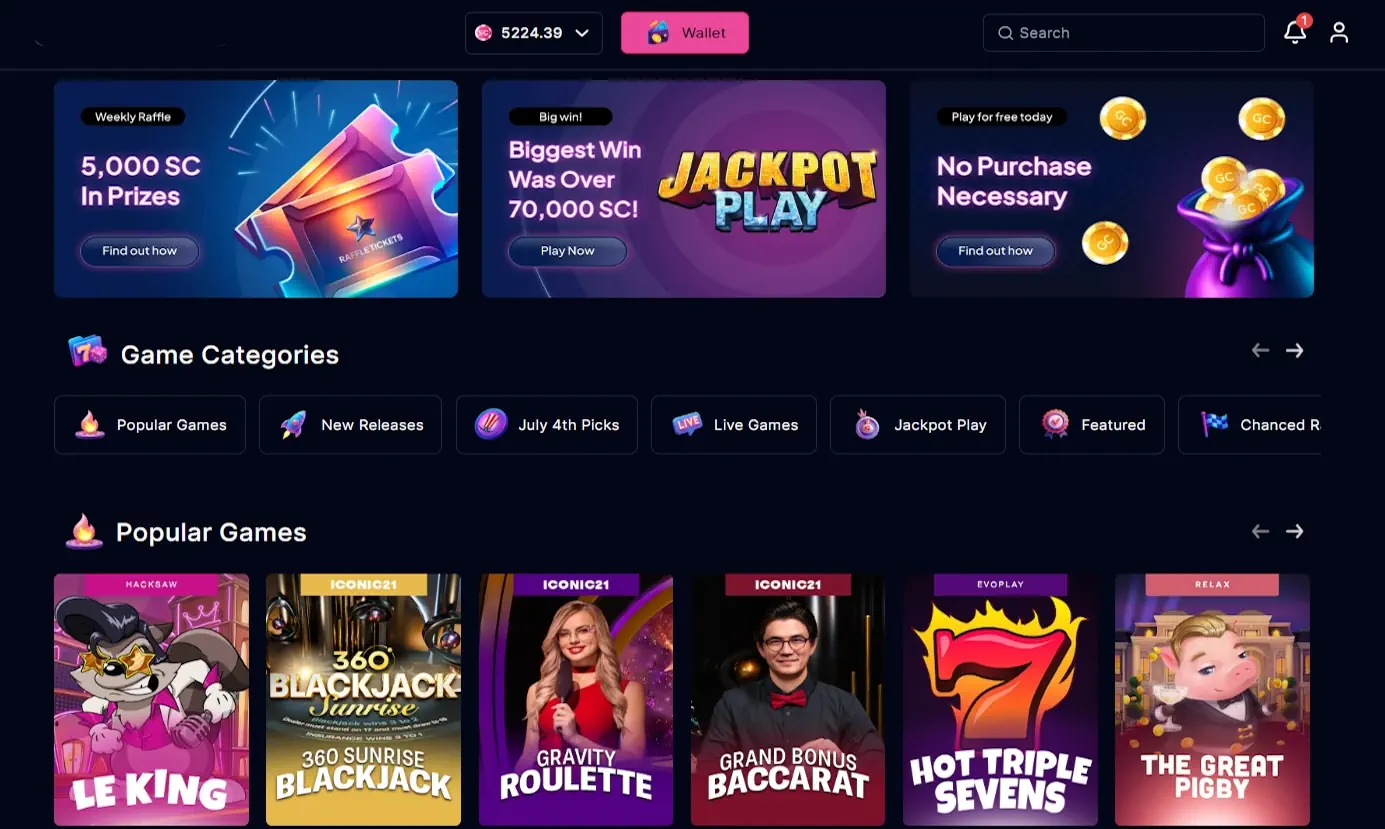
For casino platform integration, I’ve had best results doing API casino integration in a staged flow: games first, then operator controls. Here are the tools I’ve tried. 0 surprises showed up after we load-tested every endpoint.
Online Casino Integration Stack: Payment Integration, CRM Integration, and Affiliates
I built the online casino integration stack with Stripe for payouts flows and CRM integration for retention emails. 3 payment methods launched in week one: Visa, Mastercard, and Trustly. Then I plugged affiliates via Voluum and sanity-checked clicks → player IDs.
KYC and AML Compliance Integration for Turnkey iGaming Solutions
KYC integration can’t be an afterthought. I wired Jumio for identity checks and watched how it handled edge cases like mismatched documents. 24–48 hours was typical approval time, but audits needed clean logs.
In my testing, KYC/AML integration is less about passing checks and more about proving, with timestamps, who did what and when.
Responsible Gambling Integration: Responsible Gaming Tools and Compliance Reporting
I wired responsible gambling integration for limits, self-exclusion, and reports using external providers and internal rules. RIA limits checks reduced risky sessions fast in my staging tests. Keep the event logs immutable from day one.
- Set deposit limits with daily/weekly caps and a 1-click “raise limits” denial flow.
- Trigger cool-off timers via self-exclusion, then block game sessions at the API layer.
- Store RG events in a separate, write-once audit table for compliance reporting.
- Show responsible tools on every deposit and bet confirmation page.
- Send automated alerts to players within 5 minutes of limit changes.
Live Casino Integration and Game Aggregation Platform Setup
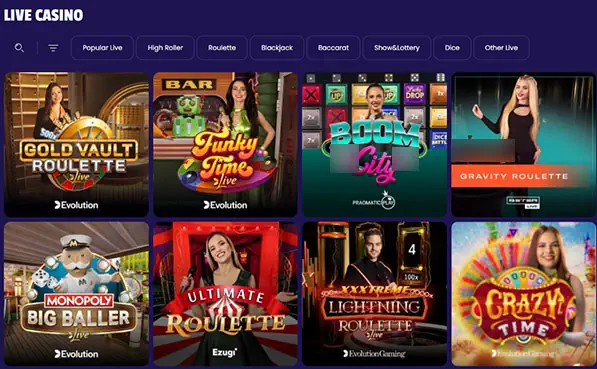
Live casino integration goes smoother when you plan for streams, latency, and failover. 400ms target glass-to-glass kept gameplay feeling snappy in my tests. Here’s how I mapped aggregation choices.
| Platform | live feed method | startup time | my take |
|---|---|---|---|
| NetEnt Live (via partner) | WebRTC + fallback | ~2.5 min | Clean UI |
| Evolution (via API) | low-latency streams | ~3.0 min | Best pacing |
| Pragmatic Live (via partner) | HLS + overlays | ~4.0 min | Quick onboarding |
| Independent aggregator | game routing | ~5.0 min | More config work |
White-Label vs Managed Turnkey Casino Platform: Feature Comparison Table
I compared a white-label casino setup with a managed casino platform for one client; speed won. White-label cut dev time, but I still paid for QA. Managed won for ongoing updates and fewer fires.
Casino Setup and Launch Workflow: Branding Setup, Deployment, and Ongoing Support
My casino setup and launch always follows the same checklist: brand assets, staging deployment, then game and payment go-live. 3-step release kept rollbacks sane when Stripe webhooks misfired once. After launch, I monitor logs daily for 2 weeks.
FAQ
How fast can a turnkey casino launch actually happen?
In my testing, turnkey casino launch went live in about 10 days when APIs, domains, and compliance checks were ready. The payment and game feeds were the key path.
What’s included in turnkey casino website development?
I’ve seen turnkey casino website work include hosting setup, CMS-ready casino content integration, and DNS swapping from staging. Quality checks happen before you point production traffic.
Do API casino integration and operator dashboard integration come together?
Usually, yes, but I staged it in my builds: game integration first, then operator dashboard integration. This reduced risk when endpoints behaved differently under load.
Which compliance integrations matter most for iGaming?
KYC integration and AML compliance integration are the core. I also ensured responsible gambling integration had audit logs for reporting.
Is live casino integration harder than slots setup?
It’s more sensitive to latency and failover, so live casino integration needs stricter testing. I targeted around 400ms glass-to-glass for smoother play.
Should I pick white-label or a managed casino platform?
I’ve preferred managed casino platform when I didn’t want ongoing update pain. White-label saved dev time, but I still budgeted for QA and maintenance.